

Underwater
Diving in the Ohio River? Seriously??

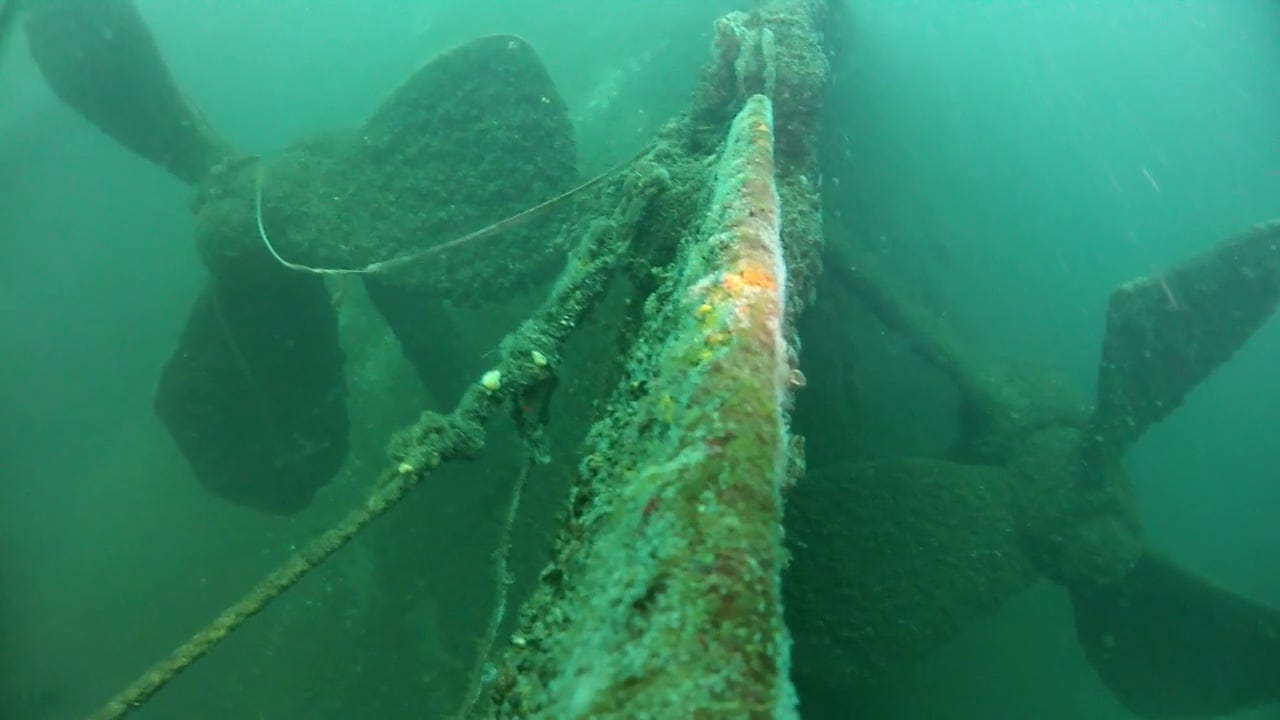
I learned to swim before I could walk - seriously.
I was 5 months old in July 1961. At that time, my family would spend summer afternoons swimming at a place called Cox's Lake in eastern Jefferson County Kentucky. My father, a man of the river, taught us to swim as young as possible. Later in life he would brag to anyone who'd listen, "we drowned all the dumb ones”. There is no doubt that was his west Tennessee mother coming through. By five months old it was my turn. Of course, I remember none of it. Later in life, my mother would tell me of other pool moms snatching me from the bottom of the pool - thinking I was drowning. It really hacked her off. Thirty years later, my wife and daughter had nearly the same experience in our neighborhood pool. My wife, being who she is, was preventative, loudly announcing “Annie – I know you like to swim at the bottom of the pool, so I’ll be right over here watching”. That prevented any modern aquatic child snatchings.
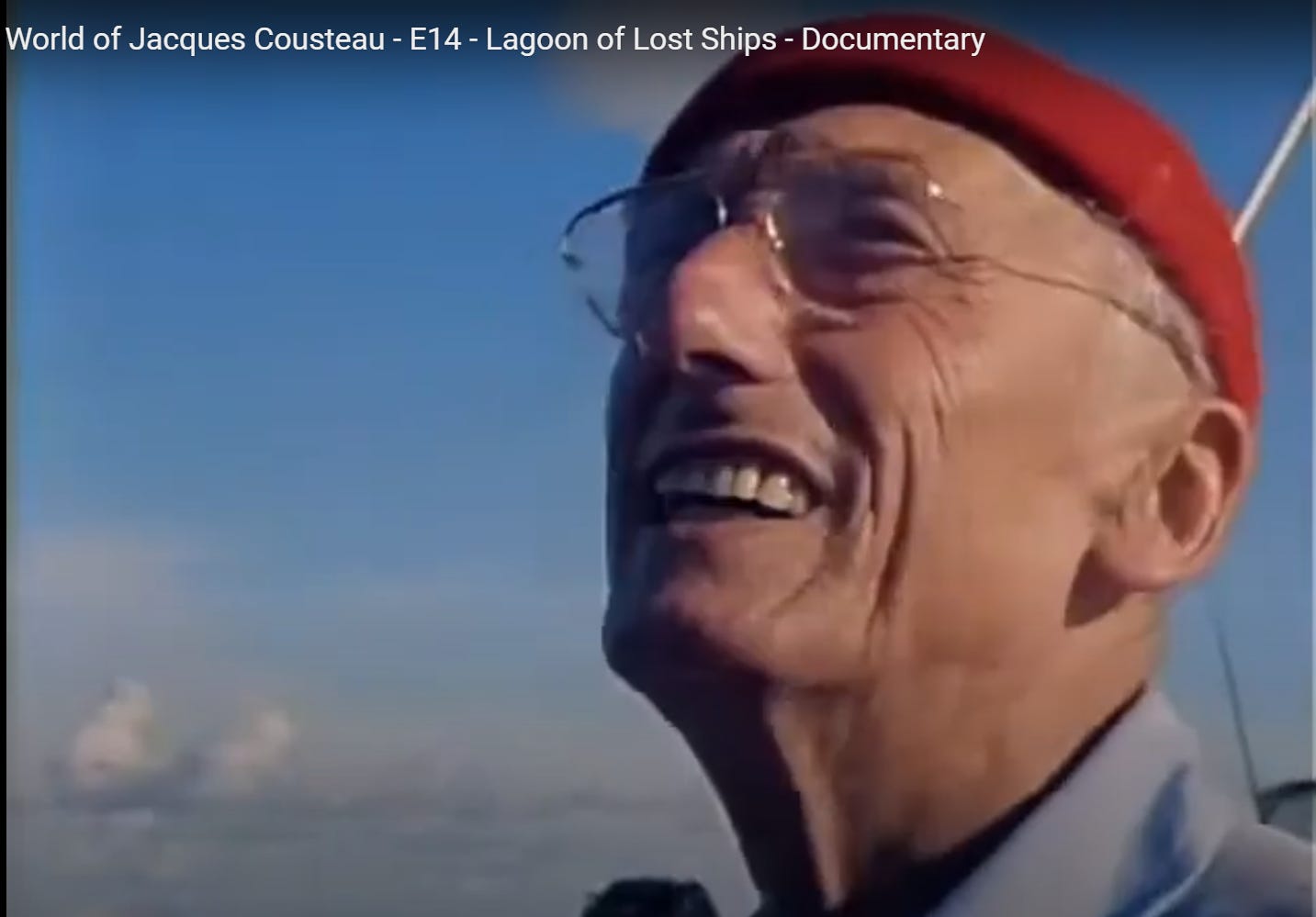
By the time I was about five, we had left the swimming lake for the river. I dreamed of the sea and exploring it. These dreams were spawned and nurtured by a TV show called The Undersea World of Jacques Cousteau. Episodes were hour-long documentaries made by the famed red-capped French diver who is credited with inventing the SCUBA regulator. The legendary voice of Rod Serling narrated the show. My favorite episode was Lagoon of Lost Ships on the wrecks of Truk lagoon. Captain Cousteau and Mr. Serling welded history and diving together in my ten-year-old mind.
I learned to dive by age 14, and by 15 was hired to work at the local dive shop. Soon, I was acting as assistant instructor for new classes. By my age of 16, we were doing light commercial diving jobs for the state of Kentucky and the Army Corps of Engineers. Later I had my own hull cleaning and search and recovery (SAR) business on the river. (A word to the wise – cleaning moss encrusted boat hulls while using a SCUBA tank will primarily result in empty SCUBA tanks). During these years I took several pleasure trips to the Florida Coast and got to do some wreck diving.
Engineering school, marriage, careers, and children curtailed my underwater habits a good bit. Nevertheless, my wife and children trained and were certified as divers, but diving vacations were not our thing. Not so with boating, we owned a series of boats on the Ohio as well as Cave Run Lake in eastern Kentucky. There, I often reprised my SAR work finding lost anchors and such. As recently as last month I extracted a houseboat anchor from a tree 55 feet underwater.
So, what will we find on the America? It’s hard to say. Perhaps not much and certainly no treasure nor large machinery. The wreck was in shallow water for about 50 years until the first Ohio River dams were built. It was reported as above water during dry spells and likely picked over during those years. The first dam added about six feet to her watery covering and another 29 when the Markland Dam was completed in about 1964. She has not been seen since other than a reported search by some Cincinnati divers in the late 1960s. (The Courier-Journal Sunday Magazine (Louisville, Kentucky) · 1 Dec 1968). I’m a little concerned that the wreck may have been disturbed by a infamous 1978 ice flow, but I believe she was too deep by then to be significantly moved. Wooden ships are remarkably preserved underwater, so I am hopeful.
This is worth a look.
The Undersea World of Jacques Cousteau - E14 - Lagoon of Lost Ships - Documentary